Understanding Turnaround Maintenance in Oil Refineries
Definition and Importance of Turnaround Maintenance
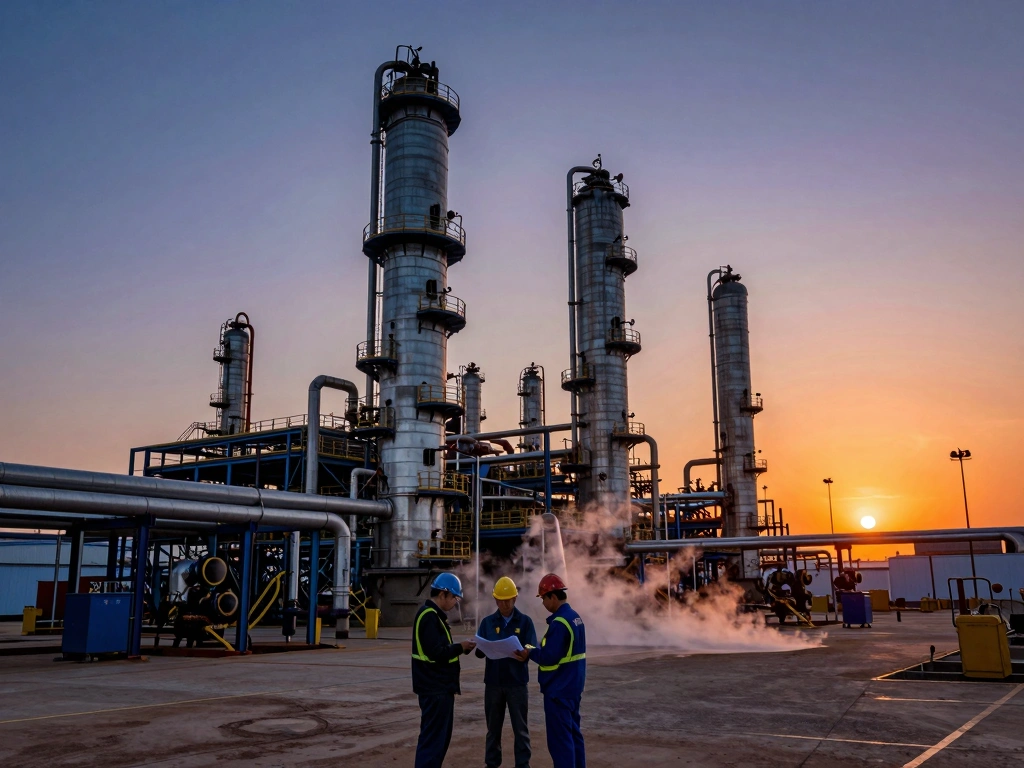
Turnaround maintenance refers to the planned, periodic shutdown of a refinery or processing unit for the purpose of performing maintenance, inspections, and repairs. This process is crucial in oil refineries due to the complexity and scale of operations involved. A turnaround can last from a few days to several weeks, depending on the scope of work required. The primary aim is to ensure that equipment operates efficiently, safely, and within regulatory guidelines.
The importance of turnaround maintenance cannot be overstated. It helps in:
- Preventing Equipment Failures: Regular maintenance minimizes the risk of unexpected breakdowns, which can lead to costly downtime.
- Enhancing Safety: Turnarounds allow for thorough inspections that can identify safety hazards and ensure compliance with regulations.
- Improving Operational Efficiency: Well-planned turnarounds can optimize production schedules and improve overall efficiency.
- Extending Equipment Lifespan: Regular maintenance can prolong the life of equipment, thereby maximizing return on investment.
Key Components of Turnaround Maintenance
Successful turnaround maintenance involves several key components:
- Planning and Preparation: This includes defining the scope of work, estimating costs, and scheduling resources.
- Execution: Carrying out the maintenance activities as per the defined plan, ensuring safety and efficiency.
- Resource Management: Allocating skilled personnel, materials, and equipment required for the turnaround activities.
- Post-Turnaround Review: Analyzing the process to identify areas for improvement and prevent issues in future turnarounds.
Challenges Faced During Turnaround Maintenance
Despite its importance, turnaround maintenance presents several challenges:
- Time Constraints: A limited timeframe can pressure teams to complete work quickly, risking oversights.
- Resource Allocation: Difficulty in securing the necessary skilled labor and materials can delay the process.
- Safety Risks: High-pressure environments and hazardous materials pose significant safety risks during maintenance activities.
- Cost Overruns: Unanticipated issues can lead to budget overruns and extended downtimes.
Strategies for Effective Turnaround Scheduling
Establishing a Turnaround Maintenance Calendar
Creating a turnaround maintenance calendar is essential for planning and executing maintenance activities effectively. This calendar should include:
- Scheduled Dates: Identifying the optimal times for turnarounds based on production schedules and market demands.
- Work Scope: Clearly outlining the tasks that need to be accomplished during the turnaround period.
- Resource Availability: Ensuring that all necessary resources, both human and material, are available during the scheduled period.
For example, a major refinery in the Gulf Coast region may schedule its turnarounds during the fall when demand for refined products typically decreases, allowing for minimal disruption to production.
Prioritizing Maintenance Tasks Based on Criticality
Not all maintenance tasks carry the same level of urgency or importance. By prioritizing tasks based on their criticality to operations, refineries can focus their efforts on the most impactful activities. This involves:
- Assessing the risk associated with each piece of equipment.
- Identifying tasks that have the potential to cause major downtime if neglected.
- Allocating resources to high-priority tasks to ensure they are completed first.
For instance, a refinery might prioritize maintenance on a distillation unit over less critical equipment, as failure in the distillation process could halt production entirely.
Utilizing Data Analytics for Predictive Scheduling
Advancements in data analytics enable refineries to adopt predictive maintenance strategies, allowing for more efficient turnaround scheduling. By analyzing historical data, refineries can anticipate maintenance needs and schedule turnarounds proactively. Key steps include:
- Collecting and analyzing performance data from equipment.
- Identifying patterns and trends that indicate when maintenance is due.
- Using predictive models to forecast potential failures before they happen.
For example, a refinery could use data analytics to determine that certain pumps tend to fail after 18 months of operation. By scheduling maintenance just before this point, the refinery can avoid unexpected downtime.
Role of Technology in Turnaround Maintenance Scheduling
Implementing Maintenance Management Software
Maintenance management software plays a pivotal role in streamlining turnaround processes. These platforms allow for:
- Centralized planning and scheduling.
- Real-time tracking of maintenance tasks and progress.
- Automated notifications for upcoming maintenance activities.
For example, software like SAP PM or IBM Maximo can help refineries manage their turnaround schedules, ensuring that all tasks are tracked and completed on time.
Leveraging IoT and Smart Sensors
The Internet of Things (IoT) and smart sensors are transforming turnaround maintenance by providing real-time data on equipment health. This technology allows refineries to:
- Monitor equipment conditions continuously.
- Receive alerts for abnormal behavior that may require immediate attention.
- Optimize maintenance schedules based on actual usage rather than predetermined intervals.
For instance, a refinery may install vibration sensors on rotating equipment to detect potential failures, allowing for maintenance to be scheduled at the most opportune time based on actual wear and tear.
Integrating AI for Enhanced Decision Making
Artificial Intelligence (AI) can significantly enhance decision-making processes in turnaround maintenance. By analyzing vast amounts of data, AI can:
- Identify correlations between maintenance activities and equipment performance.
- Suggest optimal maintenance schedules based on predictive analytics.
- Assist in resource allocation by predicting workforce and material needs.
An example of this is the use of machine learning algorithms to analyze failure data, allowing refineries to improve their turnaround strategies continually.
Collaboration and Communication in Turnaround Processes
Involving Cross-Functional Teams
Effective turnaround maintenance requires collaboration among various departments, including engineering, operations, safety, and procurement. Involving cross-functional teams ensures that all perspectives are considered during planning and execution. This collaboration can lead to:
- Better identification of maintenance needs.
- Improved safety protocols through shared knowledge.
- More efficient use of resources by aligning schedules and efforts.
For instance, involving safety teams early in the planning phase can help identify potential hazards that may not be obvious to engineering teams.
Establishing Clear Communication Protocols
Clear communication is vital during turnaround maintenance. Establishing protocols that define how information is shared can help prevent misunderstandings and ensure that everyone is on the same page. This includes:
- Regular meetings to discuss progress and challenges.
- Defined channels for reporting issues and updates.
- Documentation of decisions made and actions taken.
For example, daily briefings during a turnaround can help keep teams informed about progress and any changes to the plan.
Utilizing Collaboration Tools for Real-Time Updates
Collaboration tools, such as project management software and mobile applications, can enhance communication during turnarounds. These tools allow team members to:
- Share real-time updates on task progress.
- Collaborate on problem-solving in real-time.
- Access critical documents and plans from any location.
Tools like Microsoft Teams or Asana can facilitate effective communication and collaboration, ensuring that all team members are aligned and informed throughout the turnaround process.
Measuring Success and Continuous Improvement in Scheduling
Key Performance Indicators for Turnaround Maintenance
To evaluate the effectiveness of turnaround maintenance scheduling, it’s essential to establish key performance indicators (KPIs). Some important KPIs include:
- Planned vs. Actual Downtime: Measuring how well the turnaround adhered to scheduled downtime can highlight efficiency.
- Cost Variance: Comparing budgeted costs to actual expenditures can indicate financial performance.
- Safety Incidents: Tracking any safety incidents during the turnaround can help assess risk management effectiveness.
- Completion Rates of Scheduled Tasks: Evaluating how many planned activities were completed on time provides insight into operational efficiency.
Conducting Post-Turnaround Reviews
After completing a turnaround, conducting a thorough review is critical for identifying successes and areas for improvement. This review should involve:
- Gathering feedback from all stakeholders involved in the turnaround.
- Analyzing performance against established KPIs.
- Documenting lessons learned and best practices.
For example, if a particular maintenance task consistently takes longer than planned, it may indicate the need for better training or resource allocation for that task in future turnarounds.
Implementing Feedback Loops for Future Turnarounds
Feedback loops are crucial for continuous improvement in turnaround maintenance scheduling. By incorporating insights gained from post-turnaround reviews, refineries can:
- Adjust future maintenance plans to address identified issues.
- Enhance training programs based on feedback from personnel.
- Refine scheduling practices to improve efficiency and safety.
For example, implementing changes based on feedback about scheduling conflicts can lead to smoother operations in subsequent turnarounds.